How to improve your buoyancy
Takata Experience | October 2025
Perfecting your buoyancy is one of the most important skills a diver can develop. It not only improves your safety and comfort underwater but also helps protect fragile marine ecosystems. Whether you’re just starting or want to level up your diving skills, mastering buoyancy will make every dive more enjoyable.
Here’s how you can improve your buoyancy and become a more confident, eco-conscious diver.
1. Understand What Affects Buoyancy
Buoyancy is influenced by several key factors:
- Breathing – Your lungs act like natural buoyancy compensators. Inhaling increases buoyancy, exhaling decreases it.
- Weights – Too much weight makes you sink and overcompensate; too little, and you struggle to descend.
- BCD Use – Your Buoyancy Control Device helps you fine-tune your position in the water.
- Exposure Suit – Wetsuits are buoyant, especially when new. Thicker suits = more buoyancy.
2. Nail Your Weighting
Proper weighting is the foundation of good buoyancy control. Here’s how to get it right:
- Do a buoyancy check at the surface with an empty BCD and a full breath of air, you should float at eye level.
- Practice different weight distributions (such as trim pockets vs. weight belt) to improve your underwater position.
- Adjust weights as conditions change (saltwater vs. freshwater, new gear,…).
3. Practice Controlled Breathing
Slow, deep breaths help maintain stable buoyancy and reduce air consumption. Avoid rapid or shallow breathing, which leads to unnecessary movements and stress.
Try this: On your next dive, focus on taking 5-second inhales and exhales. You’ll notice how your body naturally adjusts in the water.
4. Master Trim and Streamlining
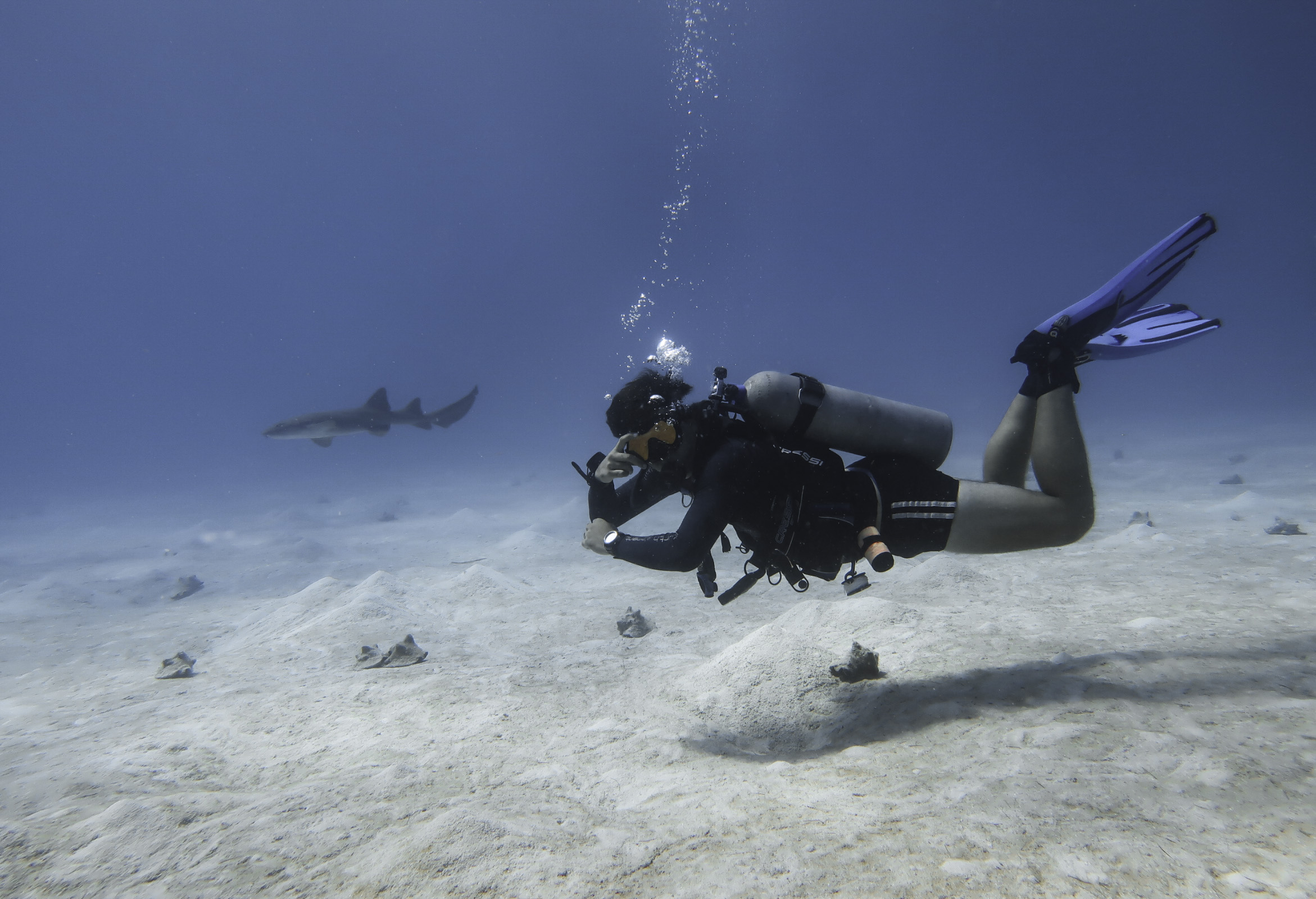
Trim refers to your body’s position underwater. A horizontal position:
- Reduces drag
- Improves propulsion
- Makes buoyancy control easier
Tips for better trim:
- Keep your arms close to your body
- Tuck in dangling gear
- Position weights to balance head-to-toe orientation
5. Stay Neutrally Buoyant
Neutral buoyancy means you’re neither sinking nor floating. You can practice this by:
- Hovering motionless at a fixed depth
- Using your breath to rise slightly or descend without touching your BCD
- Diving over sandy patches to avoid damaging coral while learning
6. Take a Peak Performance Buoyancy Course
Even experienced divers benefit from feedback. The PADI Peak Performance Buoyancy specialty focuses exclusively on:
- Fine-tuning your weight
- Perfecting body position
- Hovering effortlessly
At Takata Experience, we offer tailored buoyancy courses. Check our Specialties Courses ⬇︎
Ready to Dive Better?
Buoyancy control is a skill that develops over time with practice and awareness. Whether you’re a new diver or looking to sharpen your technique, our team at Takata Experience is here to help you every step of the way.
Contact us today to join a course or upgrade your skills on the reef ⬇︎