
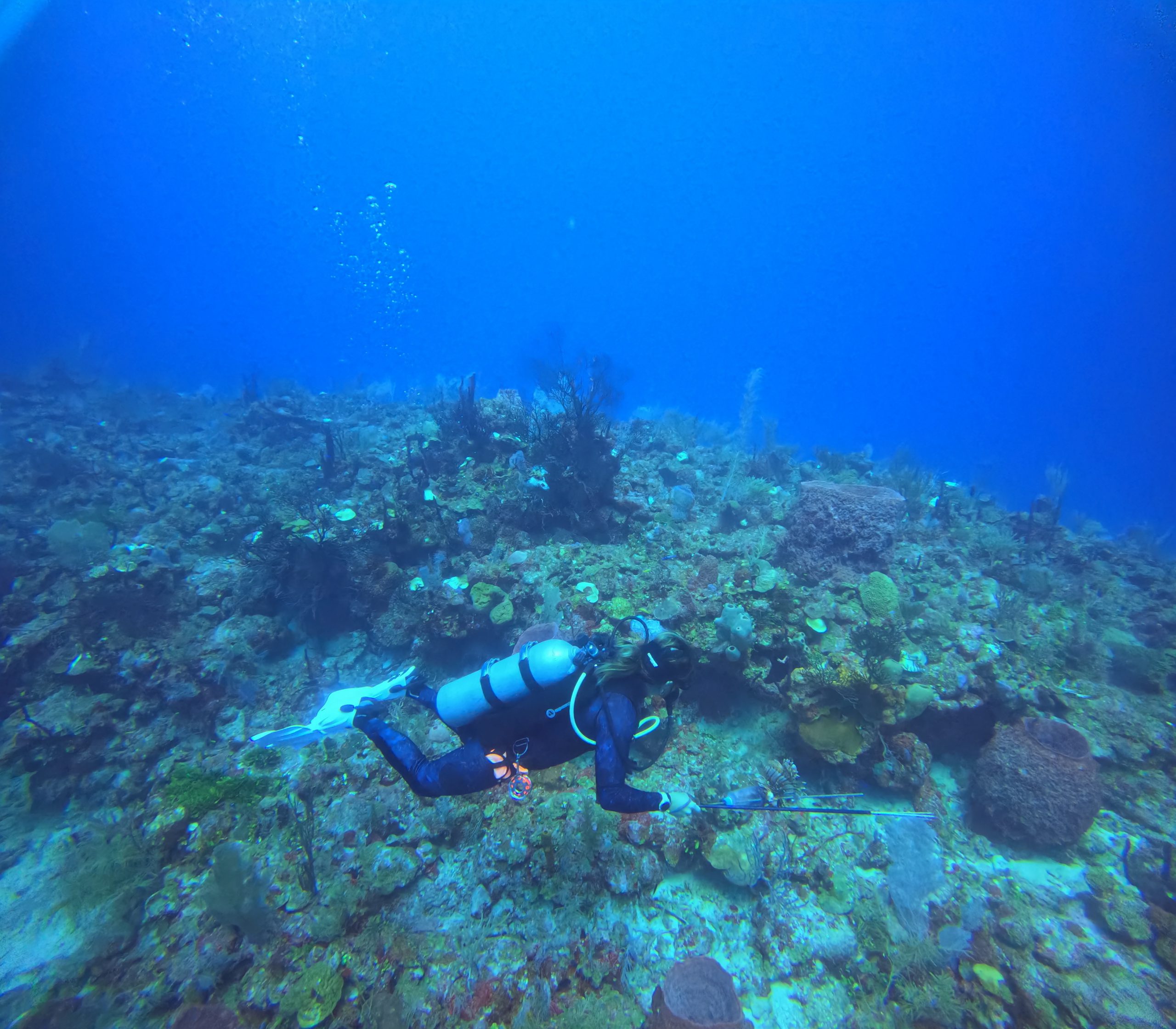
Most people flying into the Yucatan go straight to Tulum or Playa del Carmen. And look, those places are great. But if you want to dive somewhere that still feels real, where the reef is actually alive and your dive guide knows every fish by name, then you want to be in Mahahual.
It’s a small town on the Costa Maya coast, a couple of hours south of Tulum, sitting right on the edge of the Mesoamerican Reef. That’s the second largest coral reef system in the world, after the Great Barrier Reef. And here, you can get in the water with a group of four or five people, not forty.
Here are the dive sites worth knowing about, whether you’ve never put on a regulator or you’ve been diving for years.
Tortuga
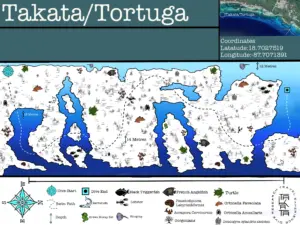
Depth: 12–18 m (39–59 ft) | Type: Shallow reef | Best for: Fun dives
This is my personal favourite and honestly, it’s hard to argue with it. The name gives it away: you come here to see turtles. Loggerhead turtles and green sea turtles cruise this reef like they own it, because they do. There’s something about drifting alongside one at 14 meters that never gets old, no matter how many times you’ve done it.
Common animals: Turtle, Green Moray Eel, Barracuda, Black Triggerfish, French Angelfish
Dos Ojos
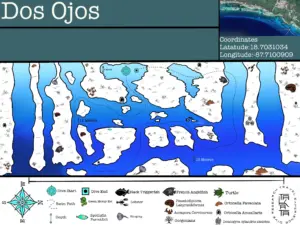
Depth: 8–13 m (26–43 ft) | Type: Shallow reef with sand patches | Best for: First dives and beginners
If you’ve never dived before and you’re thinking about trying a Discover Scuba experience, this is where you want to do it. The water is shallow, the visibility is excellent, and the current is minimal. It’s a calm, forgiving spot that lets you actually enjoy what you’re seeing instead of fighting to stay in place.
Common animals: Spotlight Parrotfish, Stingray, Lobster, Green Moray Eel, French Angelfish
40 Cañones
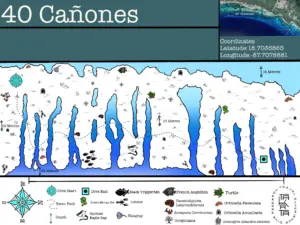
Depth: 10–22 m (33–72 ft) | Best for: Beginner to intermediate
The name means “40 cannons,” and the site lives up to it. There are old cannons scattered across the reef floor that marine life has completely claimed over the years. Animals love to tuck into them, which makes this one of the better spots for actually getting close to what you came to see. Rays, turtles, barracuda hanging in the blue. Good for anyone from beginners upward who wants a dive with some character.
Common animals: Spotted Eagle Ray, Barracuda, Black Triggerfish, Lobster, Turtle
Faro Viejo
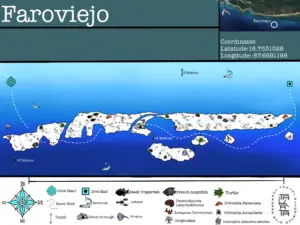
Depth: 8–12 m (26–40 ft) | Type: Shallow reef | Best for: Photography and beginners
This one is for the people who bring a camera underwater. The macro life here is something else: seahorses tucked into the coral, nudibranchs doing their slow-motion thing, juvenile fish darting around in groups. If you find yourself lying still and spending ten minutes watching a tiny creature do not very much, Faro Viejo is your dive site.
Common animals: Seahorse, Nudibranch, Stingray, French Angelfish, Black Triggerfish, Lobster, Barracuda
Escalones
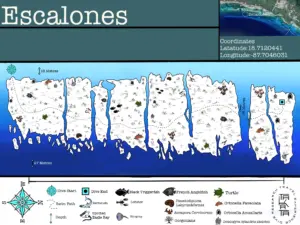
Depth: 13–27 m (43–89 ft) | Type: Terraced reef | Best for: Advanced open water
If you’re an advanced open water diver or going through your AOW course, this is where you get to go deeper and watch the reef change as you descend. The “escalones” are natural terraced steps, and you drop down through them one by one. Lobsters everywhere, stingrays gliding over the sand, and the occasional turtle passing through the deeper sections.
Common animals: Spotted Eagle Ray, Green Moray Eel, Barracuda, Black Triggerfish, Lobster
No dive site guarantees specific animals. What you see depends on the time of year, the current, and a bit of luck. But some spots genuinely give you better odds for certain species, and the list above reflects that.
Honorable mention: Banco Chinchorro
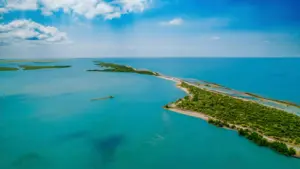
Technically not part of Mahahual, but reachable by boat in one to two hours depending on conditions. If you want to do something that most people, including most divers, have never done, this is it.
Banco Chinchorro is the largest coral atoll in Mexico and one of the last genuinely wild reef systems in the Caribbean. No mass tourism, no crowds. Just massive coral formations, nurse sharks, sea turtles, eagle rays, tarpon, and crocodiles living in the mangroves like it’s the most normal thing in the world. It takes more planning and the right conditions to get out there, but if the opportunity lines up, do not pass on it. Check out our Banco Chinchorro trips!
Common animals: Nurse Shark, Sea Turtle, Eagle Ray, Tarpon, Crocodile
Final thoughts
Mahahual works for everyone. First-time divers who want a calm, safe introduction. Open water divers who want to actually see things. Advanced divers who want depth and structure. The reef is in good shape, the groups are small, and the people running the boats care about the water they work in.
If you’re anywhere near the Costa Maya coast, get in the water. You won’t regret it.